

How did locs become a cultural staple for Rastafarians?: Knotless Knowledge Series

Typically, when people think of locs/dreadlocks, it is quickly associated with Caribbean’s, but how did it become so popularised in this culture?
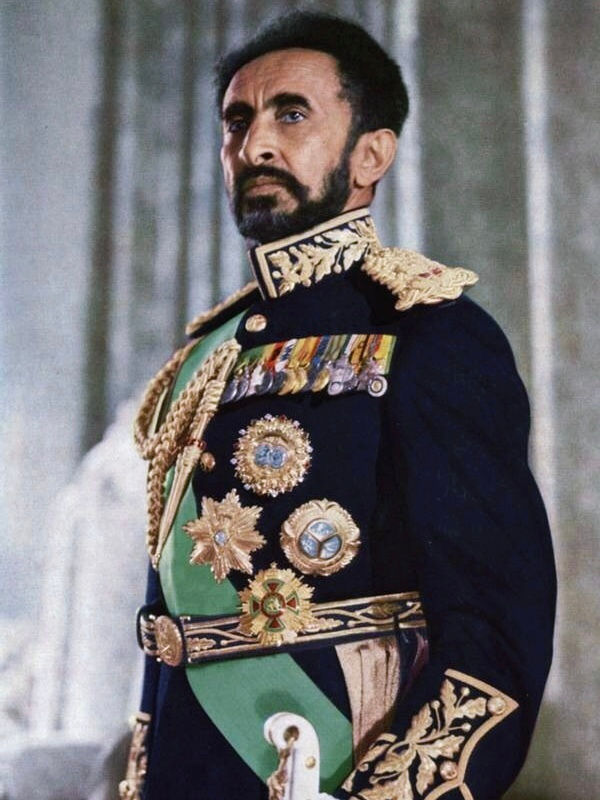
For anyone who may be unaware, Rastafarianism was developed in the 1930’s and is considered a way of life and a movement, but not every follower would consider it a separate religion. Their idols involve Marcus Garvey, Jamaican activist, and Haile Sallasie (also known as Ras Tafari), Emperor of Ethiopia. These bodies were involved in interpreting the Bible for Caribbean’s to follow. This was especially important as Sallasie identified himself as the descent of David, and therefore being viewed as the Messiah which the country has been awaiting.
Now that we understand the significance of Rastafarianism, let’s discuss the origin of locs and how they became a staple in this religion.
The origin of locs/ dreadlocks traces back to ancient Eastern Africa. This style was mostly utilised by warriors in Kenya. Caribbean’s then came across this through pictures sent from East Africa.

This hairstyle then stuck with Carribeans for a number of reasons:
Biblical interpretations:
The concept of growing out your hair in its natural state and retaining this length with locs, aligned with their interpretations of the Bible, being that you shouldn’t put sharp metal objects to the head. Therefore, believing they shouldn’t shave or comb their hair. (In case you didn't know, if those of us with curly/coily hair go a long period of time without combing our hair, it will naturally form into locks, knows as free-form locs).
In respect of Haille Sallasie:
Many believed that the hairstyle resembles the mane of a lion. This would also make the look compatible with Rastafarian beliefs as Salassie identified himself as the “conquering Lion of the tribe of Judah”. Therefore, Rasta’s felt that locs further connected them to the Rasta God.
Locs becoming a political statement in the Rastafarian community:
Now that we understand the influence that Haille Sallasie holds, we can discuss another occasion where his impact caused many to transition to locs, but this time as a political statement!
While Ras Tafari was being exiled in WW2, all the way in Britain, during the Italian invasion, Rastafarians were extremely against this as you can imagine. In fact, it’s a common principle for Rastafarians to protest against authority and speak down violence. That being said, the community decided to protest against this by vowing to grow their hair out in respects to Sallasie and would not cut it until he reclaims his rightful place as Emperor. From this, locs became a sign of political freedom and were worn as a sign of solidarity.
(Extra info: Sallasie did get reinstated in 1941, and from then he has sought to modernise the country over the following decades, through social, economic and educational reforms).
Modern day:
Fast forward to the 2000s, we’ve seen loc’s become popularised in pop culture, through figures like Bob Marley and Whoopi Goldberg, as much as they were referenced as “unprofessional” or “dirty”, hence where the term “dreadlocks” derived from.

Today we’ll even see faux locs on white models as a fashion statement (which holds a lot of issues regarding cultural appropriation, but that’s another conversation). And is an extremely common hairstyle amongst the black community, for many different historical reasons.
(Image to left photographed by Kevin Tachman. From Marc Jacobs Runway: Spring 2017 collection)
Thanks for reading, comment any information, feedback or topic suggestions that you may have!


Super informative! loved reading this x